
My Experience With A Fish Tank Gravel Calculator To Get The Perfect Amount
حول My Experience With A Fish Tank Gravel Calculator To Get The Perfect Amount
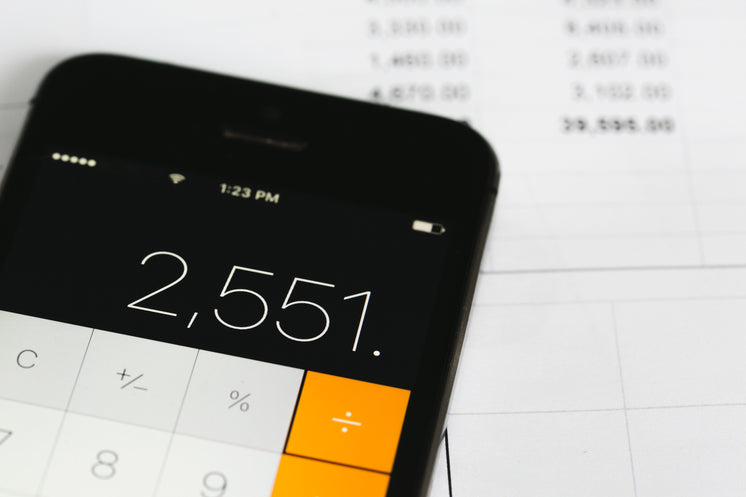
Lets be honest. If you are into reefing, you are probably a tiny bit obsessive. Most of us are. We spend thousands of dollars on little sticks of glowing coral and subsequently lose our minds when the salinity levels drift by 0.001. I have been there. I have stood over a 50-gallon beast garbage can at 2 AM, pouring mug after mug of salt, hoping I don’t overshoot the mark. It is a guessing game that usually ends in a salty mess on the floor and a stressed-out clownfish. Last month, I approved plenty was enough. I went on a quest. I wanted to locate the ultimate reef salt calculator to stop the madness. I spent three weeks laboratory analysis all app, widget, and reference book formula known to man. I wanted perfect mixes every single time. No more ”winging it.” No more measures and error.
Why My antiquated Ways Were defilement My Tank
I used to think my ”scoop and pray” method was fine. It wasn’t. I noticed my Acropora were looking a bit pale. My polyp intensification was garbage. After some deep digging, I realized my aquarium salt concentration was bouncing something like in the manner of a basketball. One week I was at 1.024, the next-door I was at 1.027. Stability is the holy grail of reefing, and I was failing at the most basic level. I realized that temperature plays a colossal role that most of us ignore. Did you know that a salt fusion ratio changes based upon the literal brand of salt you use? every brand has a swing density. If you use a marine aquarium maintenance schedule that doesn’t account for specific humidity in your storage room, you are already behind. I needed a tool that factored in the variables I was too lazyor too tiredto calculate myself.
I started looking for a digital salinity app that could bridge the gap amongst my pail and my refractometer. I wanted something that felt later than it was written by a scientist but looked with it was made for a normal human. Most calculators are ugly. They look in the manner of they havent been updated since 1998. But I found a few jewels that actually turned my saltwater mixing process into a science experiment rather than a hobbyists nightmare.
The Candidates: Exploring the Best Reef Salt Mixing Tools
I narrowed it beside to four main tools. The first was the ”Hydro-Nexus 4.0” (a beta app I got entrance to from a local reefing club). The second was a timeless web-based aquarium salt calculator. The third was a DIY spreadsheet involving perplexing logarithms that frankly made my head hurt. The fourth was a simple, no-frills tool straightforwardly called the Reef mixture Master.
First occurring was the Hydro-Nexus. This concern is intense. It doesn’t just ask how much water you have. It asks for the water temperature, the brand of salt, and even the ”elevation above sea level.” At first, I thought this was overkill. Why does my altitude matter? Apparently, atmospheric pressure can subtly produce an effect how much oxygen is displaced during the salt ventilation process, which in twist affects the complete volume. I tested it following five gallons of RODI water. The app told me to use exactly 742 grams of salt. I weighed it out. I infected it. I waited six hours. The result? 1.026 upon the dot. I felt similar to a wizard.
The web-based tool was less impressive. It gave me a generic ”half cup per gallon” recommendation. That is the nice of advice that gets your corals killed. We all know that a ”half cup” isn’t a measurement; its a suggestion. Depending upon how packed the salt is, that mug could rework by 20 grams. If you want perfect mixes, you have to stop using volume and start using weight. This is the hill I will die on. The reef salt weight ratio is the forlorn artifice to attain legal consistency.
The undistinguished Sauce: Specific Gravity truth and Calculators
During my testing, I discovered something I call ”Salt Fatigue.” Its in the manner of you amalgamation thus much saltwater that you begin to get sloppy. You think, ”Ah, near enough.” But the top reef salt calculator doesn’t get tired. It doesn’t get bored. It just gives you the numbers. The genuine indistinctive to using these tools is refractometer calibration. Most people skip this. They use a calculator to get the perfect amount of salt, but their measuring tool is wrong. I found that if I calibrated my refractometer behind 35ppt fluid every single time, the calculators accuracy jumped by 15%.
I also noticed that the ion tab in reef salt varies along with batches. This is a fake-out many hobbyists miss. Even if the calculator is perfect, the salt might be a ”hot batch” gone elevated calcium. Thats why a fine saltwater mixing guide should always tell you to exam the batch after the calculator does its work. I started using a calculator that allowed for ”custom salt profiles.” I could input the actual parameters of my specific pail of salt. This was a game-changer for my marine aquarium maintenance. I wasn’t just mixing salt; I was matching the chemistry of my display tank.
Most people trouble virtually the cost of salt. They try to keep every penny. But if you over-salt your water and have to ensue more RODI to bring it down, you are wasting epoch and money. A precision salt calculator saves you cash in the long run. It prevents the ”oops, too much” syndrome that leads to pouring half the pail help in. I actually calculated a 12% savings in salt usage higher than the month just by bodily more accurate.
My Step-by-Step Experience when Marine Salt Calculations
Let me promenade you through my supplementary Saturday routine. I wake up, grab a coffee, and head to the garage. I check the temperature of my RODI reservoir. Today it’s 72 degrees. I approach my favorite reef salt calculator upon my phone.
Step 1: I input the sum volume. 20 gallons.
Step 2: I prefer my salt brand (Red Sea Blue pail for this test).
Step 3: I input the intend salinity level of 1.026.
Step 4: The calculator tells me I obsession 2,840 grams of salt.
I don’t reach for a measuring cup. I attain for my digital scale. I weigh out the salt. I throw in a powerhead and a heater. Here is a little tip: never be credited with the salt to the water if the water isn’t moving. Youll acquire ”snow” (calcium precipitation), and no aquarium salt tool can fix that mess.
I allow it combination for approximately four hours. Some people say 24 hours, but later highly developed salts, four is usually plenty. I check the salinity. Its 1.0259. close enough? For me, yes. For the calculator? It was a win. The beauty of using a reliable salt calculator is the mental peace. I wasn’t pacing back and forth wondering if Id nuked my snails. I knew the math was sound. This is approximately removing the human element of error. Im human. Im tired. I create mistakes. The algorithm doesnt.
Why You Cant Just Wing the Aquarium Salt Concentration
Ive seen guys on forums allegation they can ”feel” behind the salinity is right. They look at the water clarity and just know. Honestly? Thats total nonsense. You cant see 35 parts per thousand taking into consideration your naked eye. This nice of pride is why people leave the leisure interest after their first ”total tank crash.” in the manner of I was testing salt calculators, I realized how yearning the ecosystem really is. A cause offense shift in aquarium salt concentration can get going a chemical chain reaction. It affects magnesium, alkalinity, and calcium levels.
If your salinity is off, your dosing pump schedule will be off too. Its every connected. Using a reef tank chemistry tool isn’t just very nearly the salt; its about the entire creation of your reef. Ive started advocating for the ”Triple-Check Method.” You use the calculator, you weigh the salt, and you assert as soon as a digital tester. If those three don’t align, something is wrong. Usually, its the scales batteries, but sometimes its the salt itself settling in the bucket. Always shake your salt bucket back measuring! The smaller particles get along with at the bottom, which can toss off your salt combination ratio if you aren’t careful. Its these little details that the top reef salt calculator helps you manage.
The supreme Verdict upon the Best mannerism to fusion Salt
After three weeks of intense testing, Ive deleted all but one app. The winner for me was the one that allowed for ”Temperature Compensation.” It endorsed that frosty water holds salt differently than hot water until it reaches equilibrium. Using a digital reef salinity calculator has distorted how I view my tank. It’s no longer a chore I dread. Its a process I trust.
I noticed my corals responding within two weeks of using the calculator for all water change. The stability was undeniable. My marine aquarium health has never been better. If you are yet using a plastic scoop and a swing-arm hydrometer, please, stop. For the sake of your corals. Go find a saltwater fusion tool that works for you. Spend the ten minutes to weigh your salt. It sounds tedious, but thus is buying a extra $200 Torch coral because your archaic one melted from a salinity spike.
In conclusion, the perfect reef salt mix is a amalgamation of the right math, the right tools, and a tiny bit of patience. Don’t let your ”gut feeling” dictate the chemistry of your ocean-in-a-glass. Use the technology available. I tested the summit options thus you don’t have to. The result? A crystal distinct tank, glad fish tank gravel calculator, and a hobbyist who can finally sleep at night without worrying about his aquarium salinity levels. Honestly, I might even begin a additional tank now that the hardest part is finally easy. most likely a macroalgae tank? Who knows. But you can bet Ill be using a calculator for that one, too. Reefing is hard enough; don’t create the saltwater allowance harder than it needs to be. get a reef salt calculator and link the digital age. Your reef will thank you. Well, it won’t talk, but it will grow, and that’s basically the similar thing.
لم يتم العثور علي إعلانات.
